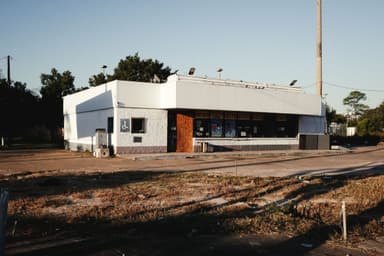
Investigation reveals mislabeled shrimp at Houston restaurants
Genetic testing shows nearly half of tested restaurants inside the loop served imported shrimp while claiming it was local or Gulf caught.
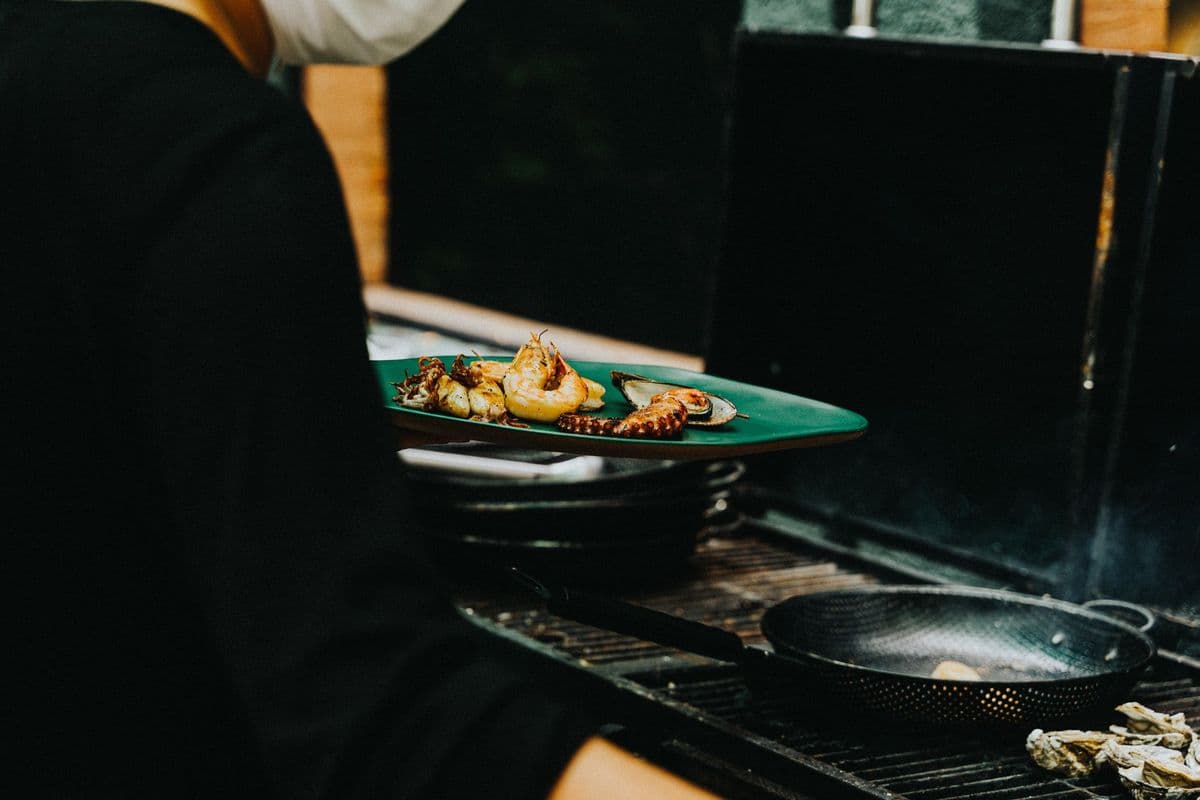
A new investigation by SeaD Consulting revealed that nearly half of the sampled restaurants inside Houston's 610 Loop misrepresented imported shrimp as local, American wild-caught, or Gulf seafood.
Researchers used genetic testing to determine the origin of shrimp dishes served across 22 randomly selected establishments. The findings showed that 14 of the tested restaurants, representing 64 percent of the sample, actually served imported, farm-raised shrimp rather than domestic catches.
Customers increasingly expect honesty and transparency regarding their meals.
Out of all the restaurants included in the testing sample, 10 establishments explicitly misrepresented their imported shrimp to customers, marking a 45 percent misrepresentation rate among tested locations.
SeaD Chief Executive Officer Dave Williams said that undercover sampling and blind testing methods were used to prevent bias during the evaluation. He explained that the company does not object to restaurants serving imported seafood, but wants to ensure they do not mislead diners about where their ingredients originate.
The investigation highlights ongoing compliance challenges following the implementation of Texas Senate Bill 823, which took effect on September 1, 2025. The state law explicitly prohibits restaurants from labeling or representing imported shrimp as Texas, American, domestic, or Gulf seafood, providing local authorities with enforcement mechanisms.
Among the businesses found to be serving authentic American wild-caught shrimp was Christie's Seafood and Steaks on Westheimer Road. Maria Christie, a third-generation operator of the long-standing family business, noted that customers increasingly expect honesty and transparency regarding their meals. Industry advocates and commercial fishing representatives warn that deceptive labeling practices undermine local shrimpers and threaten the economic viability of domestic fishing communities along the coast.
Questions readers ask
What did the SeaD Consulting investigation discover about Houston restaurants?
The investigation revealed that nearly half of the sampled restaurants inside Houston's 610 Loop misrepresented imported shrimp as local, American wild-caught, or Gulf seafood.
What does Texas Senate Bill 823 prohibit?
The state law explicitly prohibits restaurants from labeling or representing imported shrimp as Texas, American, domestic, or Gulf seafood.
Quick quiz
Question 1 of 3More Houston News
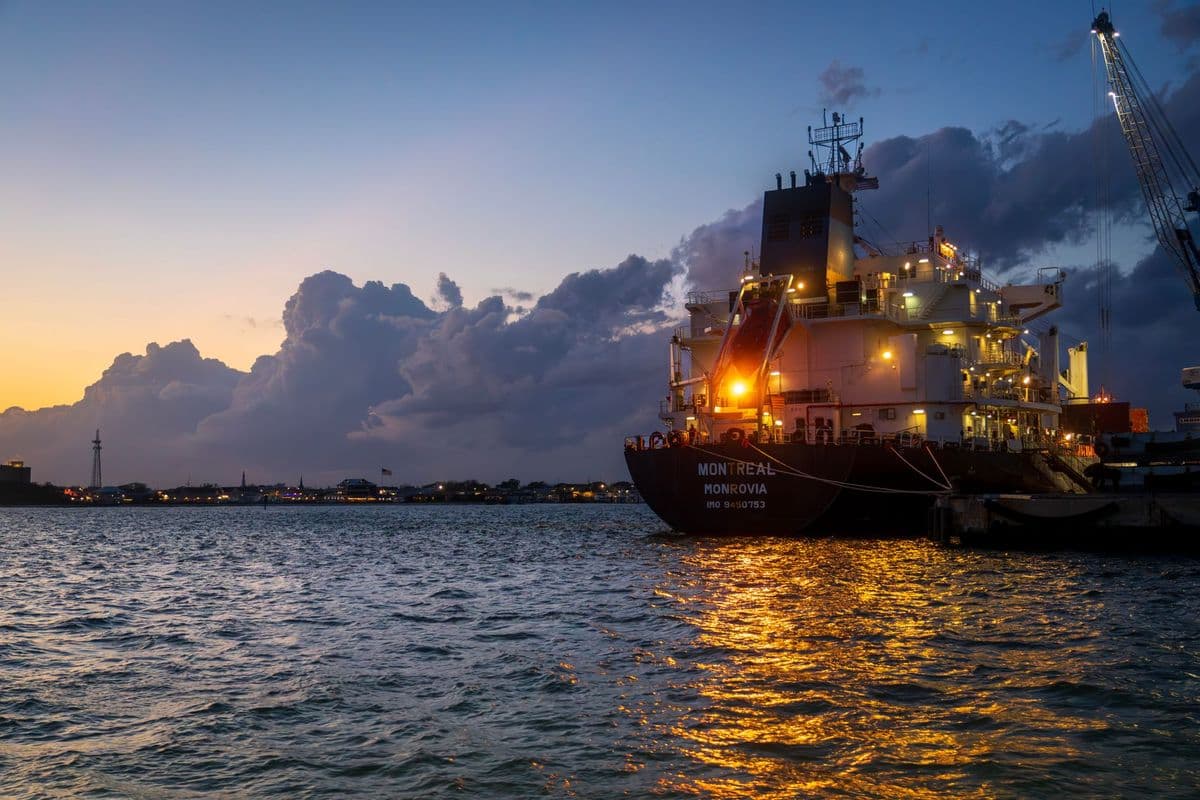
Port Houston reports monthly ship channel trade
Port Houston released its latest monthly trade report, highlighting ongoing activity and tonnage growth across the local ship channel.


Freeze watch issued for Houston holiday
A freeze watch is in effect for parts of Southeast Texas as holiday travelers and parade organizers prepare for cold temperatures.
Tesla leases massive warehouse near Houston
Elon Musk's electric vehicle company has secured a massive new industrial lease at Cedar Port Industrial Park just outside of Baytown.

Victor NguyenEnergy and business writer
Victor writes about energy, the port and Houston's economy.
Share this article
Recent News

Body found in Brays Bayou in southeast Houston
(4 days ago)
Eastex Freeway reopens after truck crash
(5 days ago)
Houston defeats West Virginia on late field goal
(5 days ago)Trending Houston Videos
All videos Indianapolis Colts vs Houston Texans Game Highlights | 2026 NFL Season Week 11NFL
 SUNS at ROCKETS | EMIRATES NBA CUP 🏆 | FULL GAME HIGHLIGHTS | November 25, 2026NBA
 ROCKETS at HEAT | FULL GAME HIGHLIGHTS | November 16, 2026NBA
 CLIPPERS at ROCKETS | FULL GAME HIGHLIGHTS | November 23, 2026NBAAll videos